“You’d never know you had anxiety!”
“You come across so calm and confident, you wouldn’t guess you struggled with anxiety.”
If you are a person who manages anxiety (or other mental health issues), you’ve probably heard similar things like this before. The people saying them often don’t have poor intentions – if anything this shows there’s still work to be done in breaking down the stigma of what mental health looks like.
I’ve lived with my anxiety for 13 years since my official diagnosis. I try my hardest not to let it interfere with my work or life. So how did I end up working in an industry renowned for its fast pace, stressful environment, and demanding nature? And what makes me stay and work hard despite this?
First and foremost – the work is fun. PR and marketing give a unique space where multiple disciplines can come together to create something absolutely kick ass. It’s exciting, a blend of results and creativity that means people can really push themselves to produce incredible messages. The thrill of working on a campaign you know will have everyone talking, or diving deep into whitepaper research to reveal unseen facts, is the reason why I stay – and why despite everything I do still love this industry.
But that’s not to say it’s been easy working with anxiety in this career – and hand on heart, it’s a balance I’m still figuring out.
Burned Up
There’s a lot out there about how stressful working in marketing and PR is. Late nights and long hours, demanding clients, weird workplace cultures, the constant threat of budget cuts (we’re always the first sacrifice when money is tight), plus being ‘always on’ means it’s a hard job to switch off from.
I’ve met so many brilliant and talented people in this industry and almost all of them have been burned at some point by stress. Pushed to their breaking point because all they wanted to do was a Good Job. Taken advantage of because they offered to help and got lumped with a nightmare project and client. Looked down on for not staying late or working on a weekend voluntarily (overtime pay is not a thing in this industry).
The expectation to always deliver exceptional quality work is sky high. You cannot make a mistake. You cannot let the client know things are going to shit because they didn’t sort their timelines or priorities, or you’re understaffed, or another client is throwing their toys out of the pram and they’re threatening to pull budget, or senior management are blocking you at every turn because they don’t like your ideas.
You smile, you write another to do list, and you try your best.
But what happens when trying your best isn’t working? What about when you feel you’ve done everything you can to please the client, your boss, your stakeholders, and it still isn’t enough – but there’s no time to stop and reflect, to gather yourself, because the next deadline is knocking on the door?
I can tell you what happens. You burn out. You get signed off with stress. You detach and stop caring, because if you don’t your brain will explode.
The Downward Spiral
For people with high-functioning anxiety like myself, we don’t like to let it win. We want to prove we’re as good as anyone, that we’re not defined by it – but it’s also hard to see the spiral once you’re in it.
You work late one evening because you just want to get that presentation done. Then you check emails out of hours, and quickly respond to something. Might as well reply to that teams message while you’re here. You want to show you’re committed to your job, but before you know it you’re in the torment of ‘always on’ – you can’t switch off, there’s always something more to be doing for work, and people see that and don’t see it as unusual. Look at them go, so committed!
The rod is made for your own back – your work output now matches that of someone working over, and you can’t stop now, otherwise you’ll look like you’re underperforming, not caring, not invested. And then the only way to catch up on the work that comes on top of those extra hours is to, you guessed it, work even later.
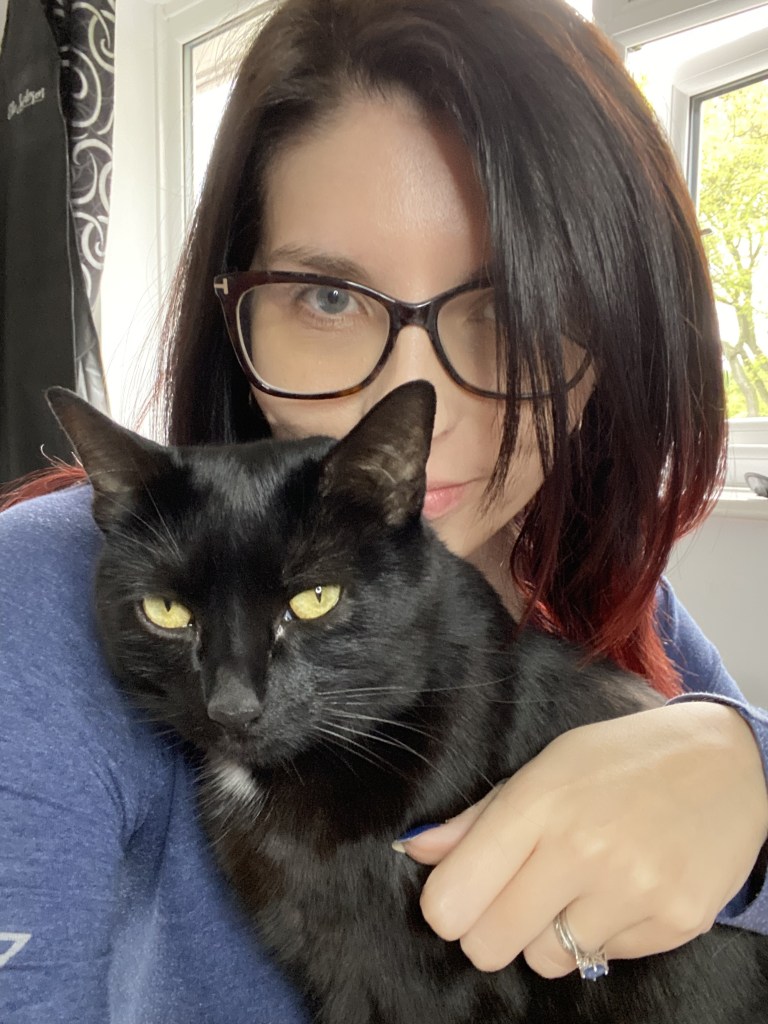
I’ve found myself in this spiral three times. I know, you’d think I would have learned after the first one. The whole cycle tends to span 3 months before I hit breaking point and have to have time off. That’s 3 months of pushing myself, ditching my coping mechanisms, sleeping badly, eating less, upping my meds, and not feeling like I ever get a real break from my brain. It ends in tears, panic attacks, and curling up in bed with my cat.
It sucks. Working like that hurts myself, and the people around me. My loved ones were all telling me to stop – they could see the toll it was taking on me. But I couldn’t or wouldn’t – I didn’t want to give in, look weak, or worse, like I wasn’t good at my job.
I couldn’t see I was hurting my own performance by not stopping, working harder with less and less in my mental tank.
In reality, stepping back at the start of the spiral would have been the right thing to do. But for people who are naturally driven, love their work, and like being busy, it’s a really tough ask.
Stepping out of the cycle
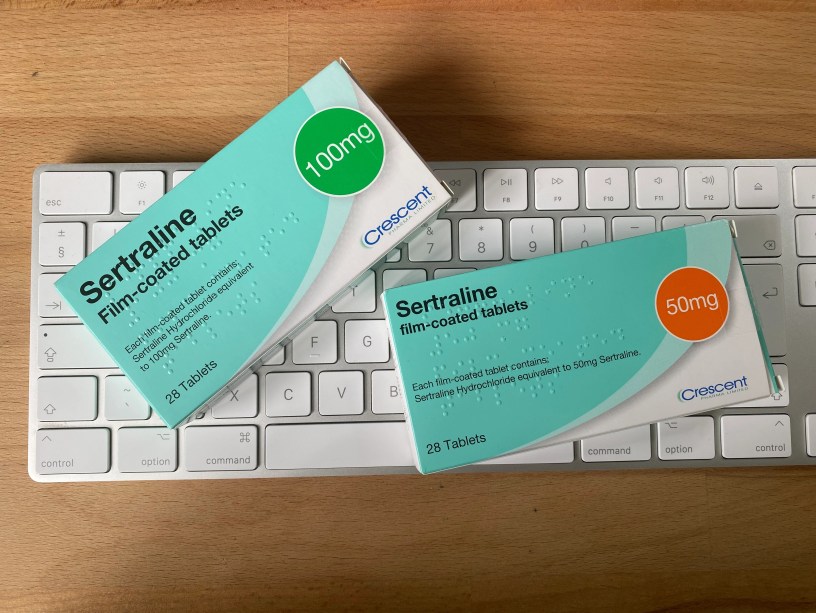
I’ve been medicated for my anxiety since I was 17. At the moment, I’m dropping down to 125mg Sertaline, having been on 150mg for almost a year. I’m finally in a place where I feel safe and comfortable to start lowering my dose.
Going freelance has also helped me to regain control over this anxiety spiral. It doesn’t come without its own challenges, and I’m definitely still adjusting to working at my own pace rather than ‘agency pace’ – but I feel happier, more creative, and healthier in my mind and body.
My anxiety doesn’t control my work or my life, but it is something I’ve learned to live alongside. Like most people with something long-term, it’s just a thing I deal with. I see it as a path – sometimes smooth, sometimes rough, sometimes so filled with potholes it seems impossible, but there’s always a way through. You might just need a bit of time to figure it out.
Help at Hand
I wanted to share some of my coping mechanisms, in case anyone finds them useful:
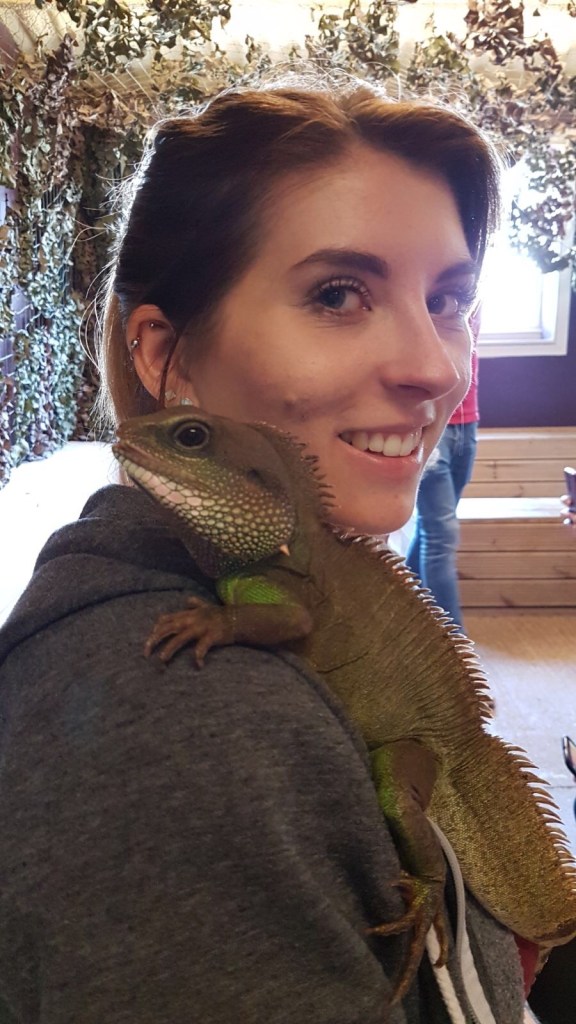
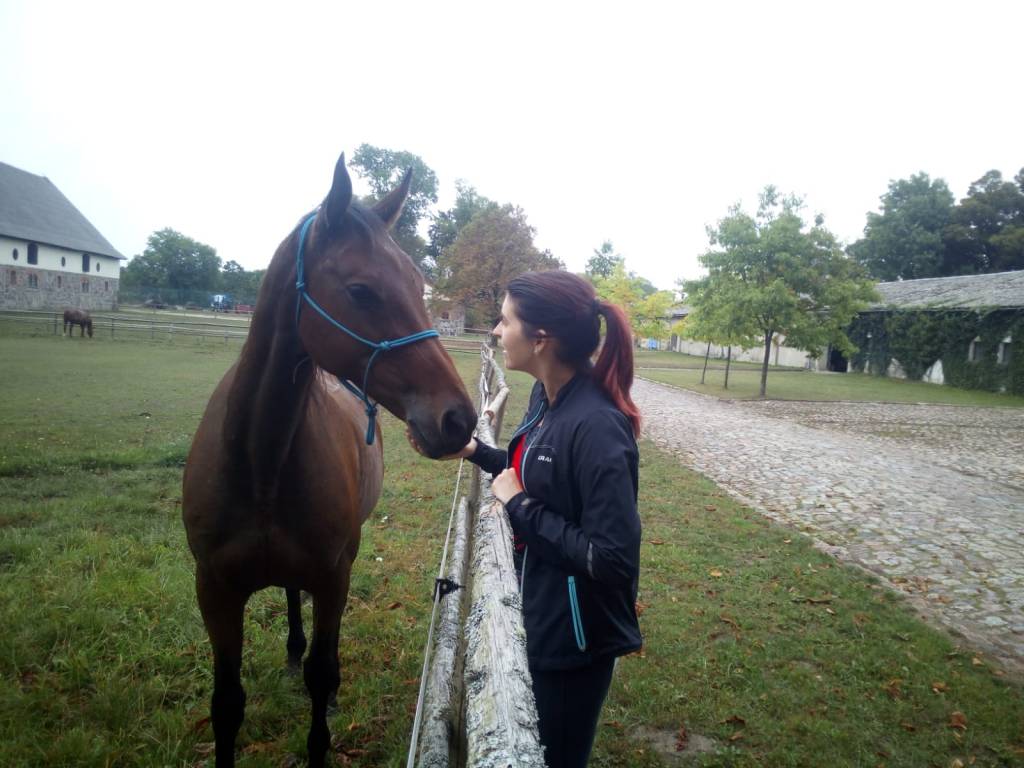
- Animals. Being around animals is like an immediate way to soothe me. Especially ones you can pet or interact with. Dogs, cats, and horses are all my top choices.
- Nature. Being in the garden and bird watching are two great ways to switch off my brain. I like to try and name all the bird, plant and insect species I see as well if I’m having runaway thoughts – keeps me in the moment.
- Reading. Ditch the mobile phone and the laptop in another room so you’re not tempted to check things. Settle down with a book you love – doesn’t matter if it’s trashy romance or high brow literature. If you enjoy it, read it.
- Talking. Talk to someone. Talk to your pets. Talk out loud to yourself. Sometimes all you need to do is say the thoughts that are in your head – making them real means you can tackle them. Writing them down also works well.
Speak to Samaritans if you ever need a listening ear – I’ve used them plenty of times and they are so genuinely helpful and there is no judgement: https://www.samaritans.org/
Thanks for reading! Here’s some happy photos of me putting my coping mechanisms to good use:
 H.J.Albone Media