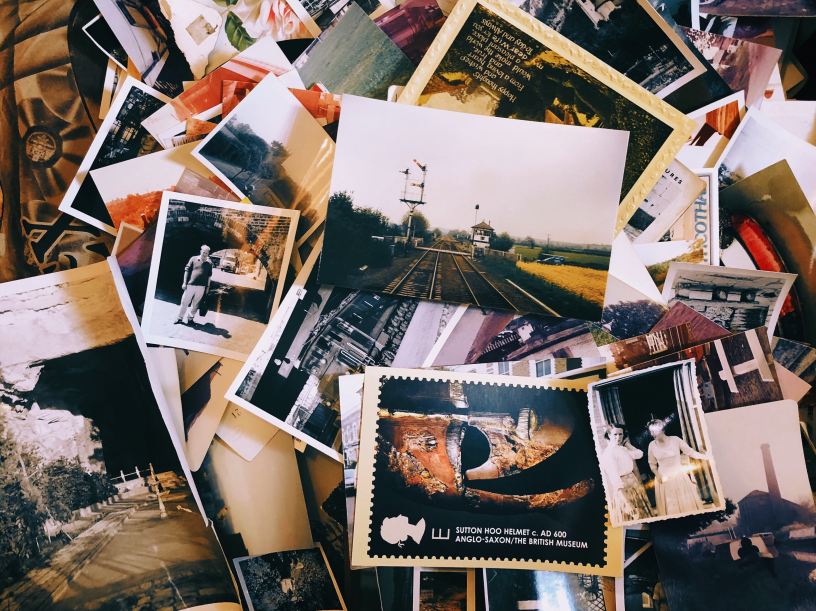
Nostalgia and a throwback to the ‘good old days’ is nothing new. Everyone thinks their childhood was the best ever, and we all look back on our past with rose-tinted glasses. This is actually something we do with our own memories. Did you know that the more you recall a memory the less accurate it becomes? You start filling in the fuzzy bits with your own ideal reality. It’s why human memory is fallible. It’s also one of the reasons police try to get witness statements as quickly as possible after an event before they start misremembering.
It feels like everything is getting a reboot, re-brand, or revisit these days. Arguably, it’s just updating a good idea for a new generation. Jurassic Park becomes Jurassic World, Star Wars adds new episodes to the film franchise, Gladiators comes back on TV.
Nostalgia is rooted in providing a sense of comfort and familiarity, placing us back in that time and place when we first experienced it. It often draws on things we experienced as children or teenagers, as we are most impressionable at those ages. By definition, nostalgia is all about evoking wistful affection or sentimental longing for a time and/or place from the past.
At a time of general uncertainty (loss of trust in UK politics, the war in Ukraine, cost of living crisis, the climate crisis), nostalgia provides us with a comfort blanket, reminding us that while things might seem grim now, you can still remember the good old days.
The Great British Summer
The ‘Great British Summer’ has to be one of the most nostalgified concepts out there. In an era where package holidays are the norm, or the cost of living crisis means no holiday at all, there is still a pervasive image within British culture of the ‘ideal summer’.
It’s sandcastles and seasides, fish and chips, Mr Whippy ice cream, kids in floppy hats and sunglasses, adults turning pink and peeling, wearing shorts with a raincoat, throwing pennies into machines at the pier-front amusements, picnics and barbecues that get rained off, tragic plastic windbreakers and camping chairs that refuse to fully unfold.
We see these motifs used in almost every single advert that is remotely related to summer in the UK. Whether this is an accurate description of the average British person’s summer in 2023 is debatable, although a fair few of the same things will persist.
Brands that tap into this iconography and approach quite frequently are ALDI, Lidl, Co-op, and McCain. Interestingly, all of these are food brands or food retailers.
Nostalgic Opportunities
Nostalgia is pervasive at key points in the calendar for business marketing opportunities. You’ll see it out in full force for summer and Christmas in particular. It’s an easy ploy to get people to empathise with your brand. And at a time when a risky marketing strategy is something most companies are reluctant to try, falling back on nostalgia and the familiar with a twist or refresh is a safe bet.
Using nostalgia in popular media is also topical. With hits like Stranger Things transporting us all back to the 1980s, not to mention Daisy Jones & The Six, That 90’s Show, and the upcoming Barbie movie are all sure to bring back memories.
Even if we didn’t leave through the exact time period, it can still evoke feelings of nostalgia, the idea of the ‘simpler time’, maybe relating to stories parents or older relatives have told us of that time. Truly, how many viewers of Stranger Things actually lived in small-town Indiana in the 1980s? A relatively small percentage I’d argue.
The way we play with media and formats these days also opens the door for new audiences to find old media. TikTok and other short-form video content regularly sees clips and trends from previous generations going viral (the return of the 90s skinny eyebrow and low-rise early 2000s jeans does fill me with horror though). This taking of older trends and giving them an update has been referred to as ‘nowstalgia’ – and this article from Ad Age explains it far better than I can!
Nostalgia varies across generations, making it hard to find a middle ground for marketing if your audience spans multiple ages. What’s nostalgic to someone like myself born in the early 1990s will be different to someone born in the late 1960s. We could potentially both be target audiences for a brand, so what’s the best way to use nostalgia to your advantage here?
The key, like most things, is drawing on central ideas of human storytelling. Friendship, family, love, success, loss – these are all universal in storytelling, one way or another. Nostalgia allows us to overlay a setting and time period through which to tell these stories. The time period can then relate to people in two ways:
a) Direct nostalgia. The person watching has memories of that time and can recall their own experiences.
b) Secondhand nostalgia. The person watching can recall stories/anecdotes told to them about that time period, or infer their own sense of time and place due to other media they have consumed.
Both rely on the connected human experience and our emotional responses in order to tell the story. And isn’t all marketing appealing to our emotions in order to encourage a purchase? Nostalgia just provides us with a sepia filter through which to tell and sell our stories.
 H.J.Albone Media